
Beyond Hydroquinone: How Cyspera Is Changing Pigment Correction
If you have ever battled melasma or stubborn brown patches, you have almost certainly met hydroquinone. For decades it has been the go to pigment treatment in the United States, and honestly, it works. But it was never designed to be a forever product, and for most of our clients the real question is not how to clear pigment once. It is how to keep it from coming back. That is where Cyspera changes the conversation.
Why pigment is so hard to beat
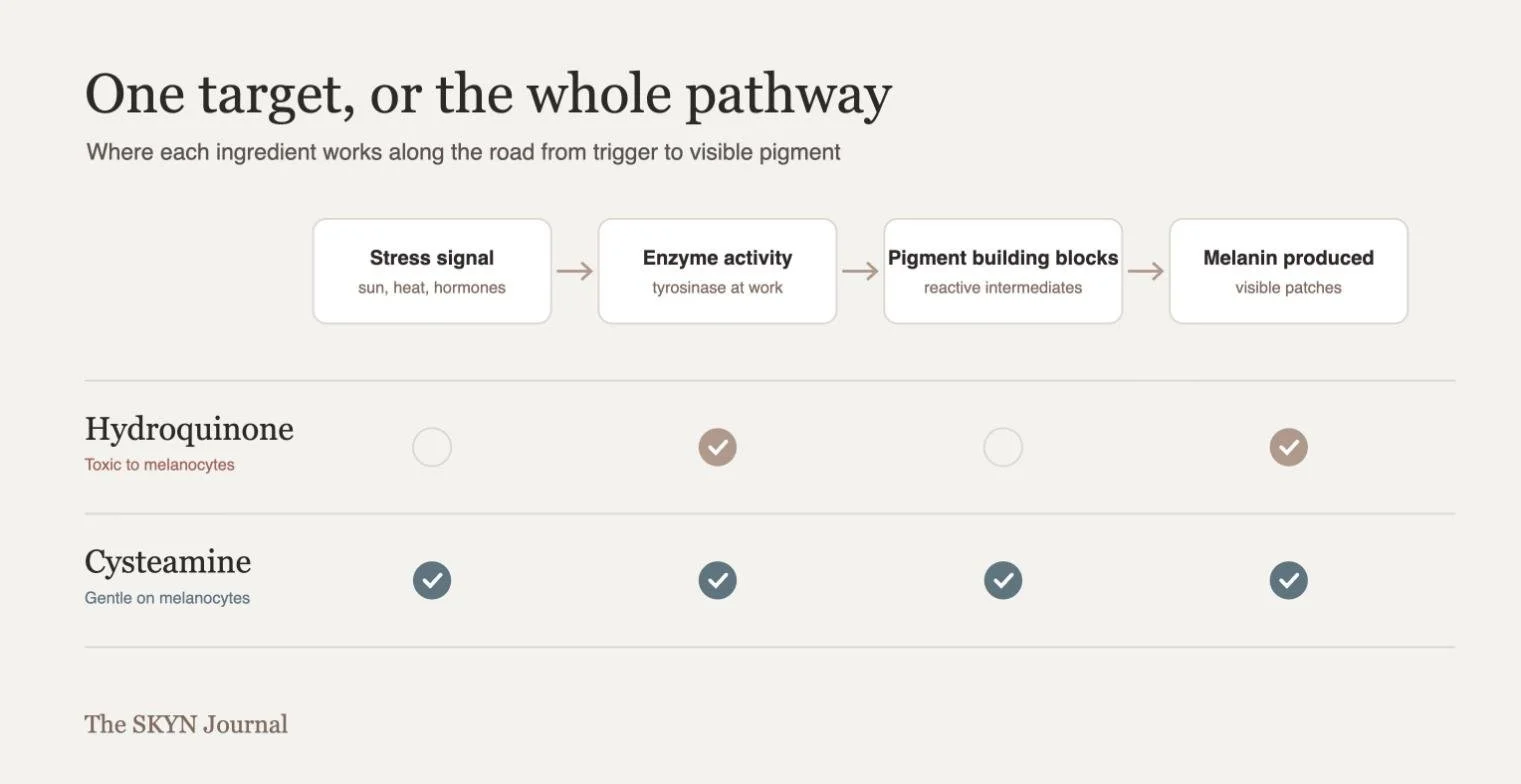
Pigment begins deep in the skin with melanocytes, the cells that make melanin. When sun, heat, hormones, or inflammation send the signal, melanocytes ramp up production through a chain of chemical steps, and the result rises to the surface as uneven tone and patches. Melasma in particular is chronic. It responds to treatment, but it is always waiting for a reason to return. Clearing it is only half the job. Keeping it calm is the other half.
The trouble with hydroquinone long term
Hydroquinone blocks tyrosinase, a key enzyme in melanin production, and it can lighten pigment quickly. Part of how it works, though, is by being toxic to the melanocytes themselves, which is why it is typically prescribed in cycles rather than used indefinitely. Long term use carries a risk of ochronosis, a rare but stubborn blue gray darkening of the skin, and since 2020 hydroquinone can no longer be sold over the counter in the US. Many people end up in a frustrating loop: clear, stop, rebound, repeat.
Meet cysteamine
Cysteamine is an antioxidant your body already makes. It is naturally present in human cells, and it is the star ingredient in Cyspera. Rather than shutting down a single enzyme, research shows it works across several steps of the pigment pathway, quieting melanin production while protecting the skin from the oxidative stress that drives it. And unlike hydroquinone, cysteamine does not have cytotoxic effects on melanocytes. It calms the pigment factory without harming the workers inside it, which is exactly what you want from something you plan to use for the long haul.
A treatment unlike anything else
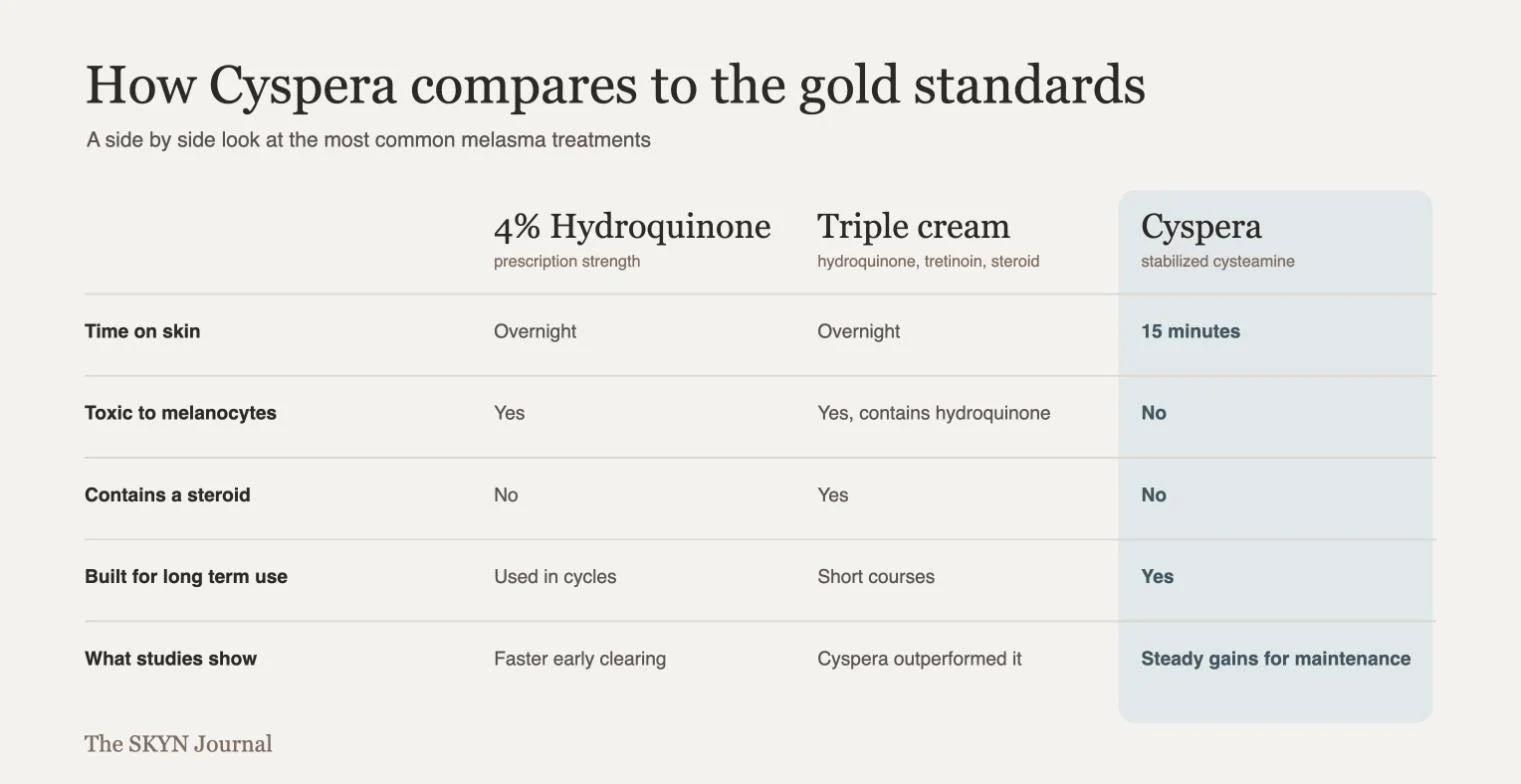
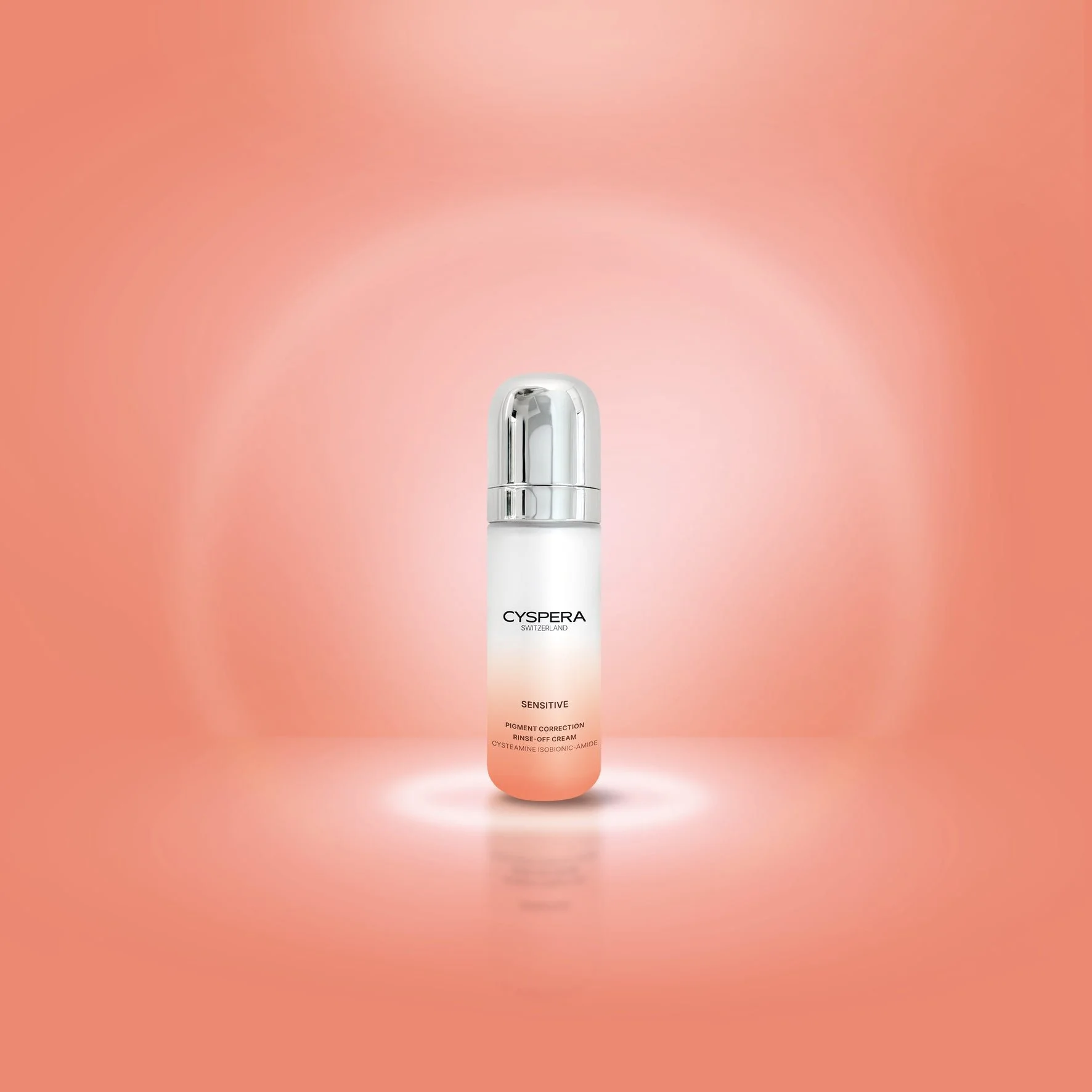
Cyspera works differently from every other pigment product we have used. Cyspera Intensive is a short contact treatment: you apply it once a day, leave it on for 15 minutes, and wash it off. That brief window delivers cysteamine where it is needed and lets your skin rest the other 23 hours of the day, which makes it realistic to stay consistent for months rather than weeks. For more reactive skin, Cyspera Sensitive offers a gentler way in.
How it measures up against the gold standards
Cysteamine has been tested head to head against the treatments dermatologists have relied on for decades. In a randomized, double blind trial of 50 people with epidermal melasma, Cyspera's 15 minute daily treatment produced significantly greater improvement than modified Kligman's formula, the hydroquinone, tretinoin, and steroid triple combination behind prescriptions like Triluma, and it caused less irritation. A second trial found it performed on par with in office tranexamic acid injections, with no recurrence at follow up. (Source)
Against straight 4% hydroquinone, the results are more nuanced. Some trials found comparable results, while others found hydroquinone works faster up front. One recent study summed it up well: hydroquinone is a strong option when quick initial clearing is the goal, while cysteamine delivers gradual, accumulating improvement suited to long term care. (Source) That is exactly how we think about it at SKYN: the right tool at the right time, inside a plan you can actually stay on.
Correcting from within: Cyspera Total Skin
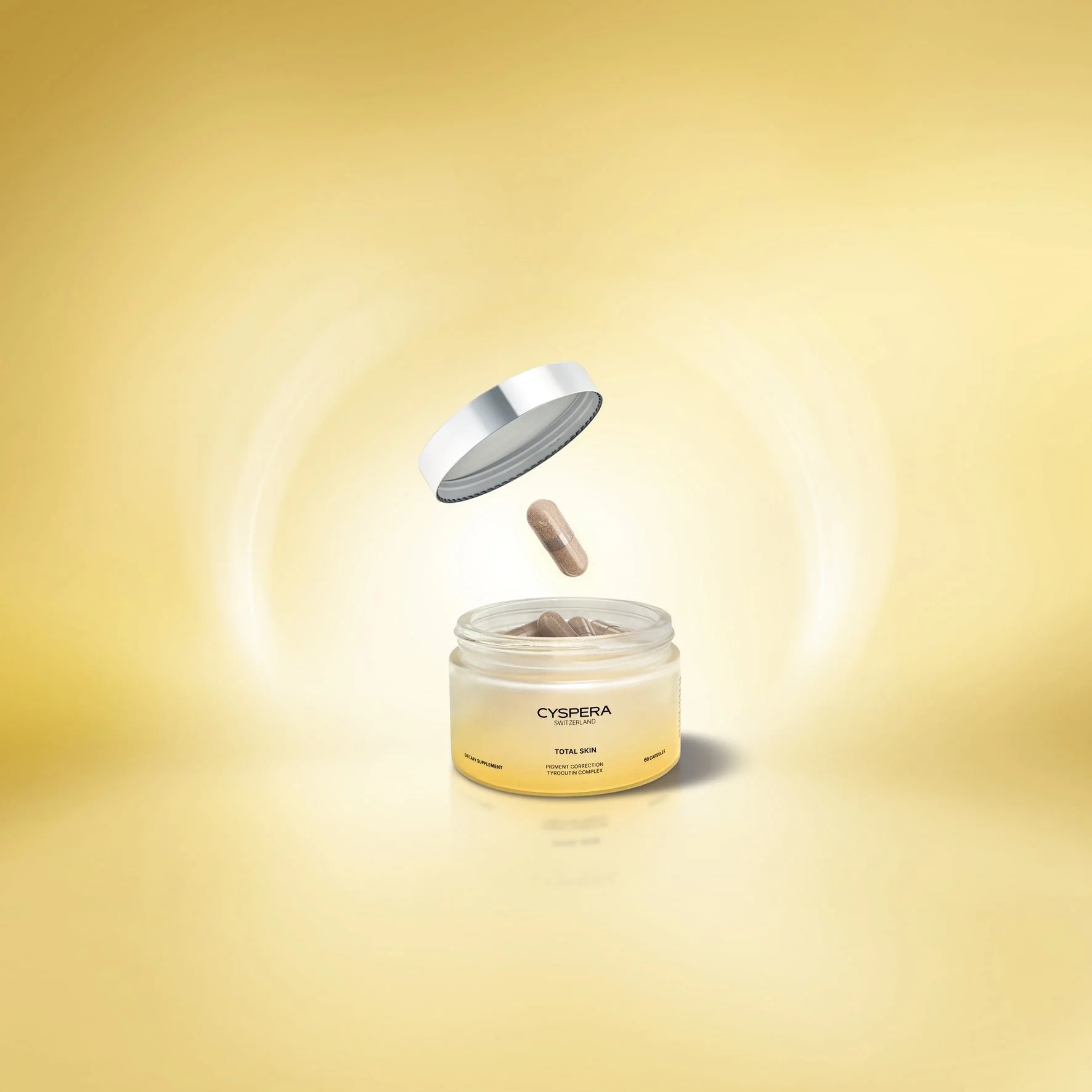
Pigment is not only a surface story. Cyspera Total Skin is the brand's first oral pigment correction supplement, made with a proprietary complex called TyroCutin that is designed to support even tone and defend against oxidative stress from the inside, including on areas that are hard to reach with topicals. You may have heard of oral tranexamic acid for melasma. It can be effective, but it is a prescription medication used off label and requires medical screening because of its effects on clotting. Total Skin gives you a supplement based way to support your routine from within. As with all supplements, its claims have not been evaluated by the FDA.
Building your Cyspera routine
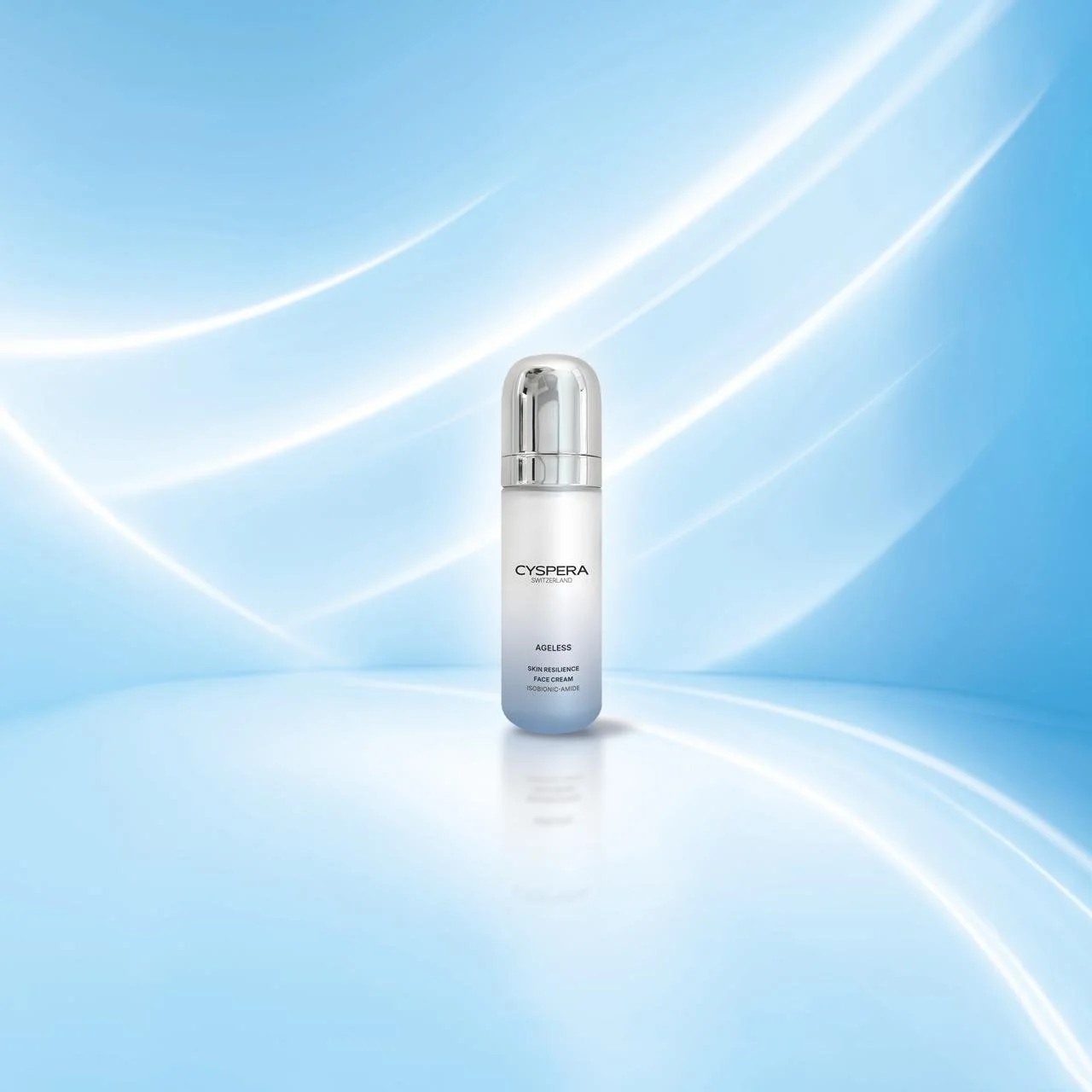
For persistent pigment and melasma, we love pairing Cyspera Intensive, or Sensitive for reactive skin, with Cyspera Ageless as your daily antioxidant cream and Total Skin from within. Add a broad spectrum sunscreen every single day, because no pigment plan survives without it. The clinical protocol runs 16 weeks, and results build steadily along the way. Pigment is complex, so if you are not sure where to begin, book a consultation and we will design a plan around your skin.
A thank you for reading
Use code CYSPERA15 at checkout for 15% off any Cyspera product, shipped straight to your door. On Cyspera Intensive alone, that is $27 back in your pocket.
Not sure which Cyspera is right for you? Book a consultation, call us at (208) 248 0064, or message us at @skynidaho.
SKYN Aesthetics & Wellness, 12545 W State St. #105, Star, Idaho
Cyspera Intensive is a rinse off cream designed for fast, visible improvement in uneven skin tone. Its cysteamine formula helps reduce the look of dark spots in as little as 4 weeks while improving clarity, radiance and texture. It is a powerful choice for stubborn discoloration.
Best for: Dark spots, uneven skin tone, stubborn discoloration, dullness and rough texture.
Key ingredients: 7% cysteamine, an antioxidant that works on multiple steps of pigmentation; isobionic amide from Garcinia kola to support skin and cellular energy; glycolic acid.
How to use: Use once a day as a short contact treatment. Start by leaving it on for 5 minutes and slowly build up to 15 minutes, then rinse and follow with Cyspera Ageless. Use daily for 16 weeks, then twice a week to maintain your results.